Into the Fire How the Camp Hub Works
The settlement is the skill tree. Who you save is the unlock path.
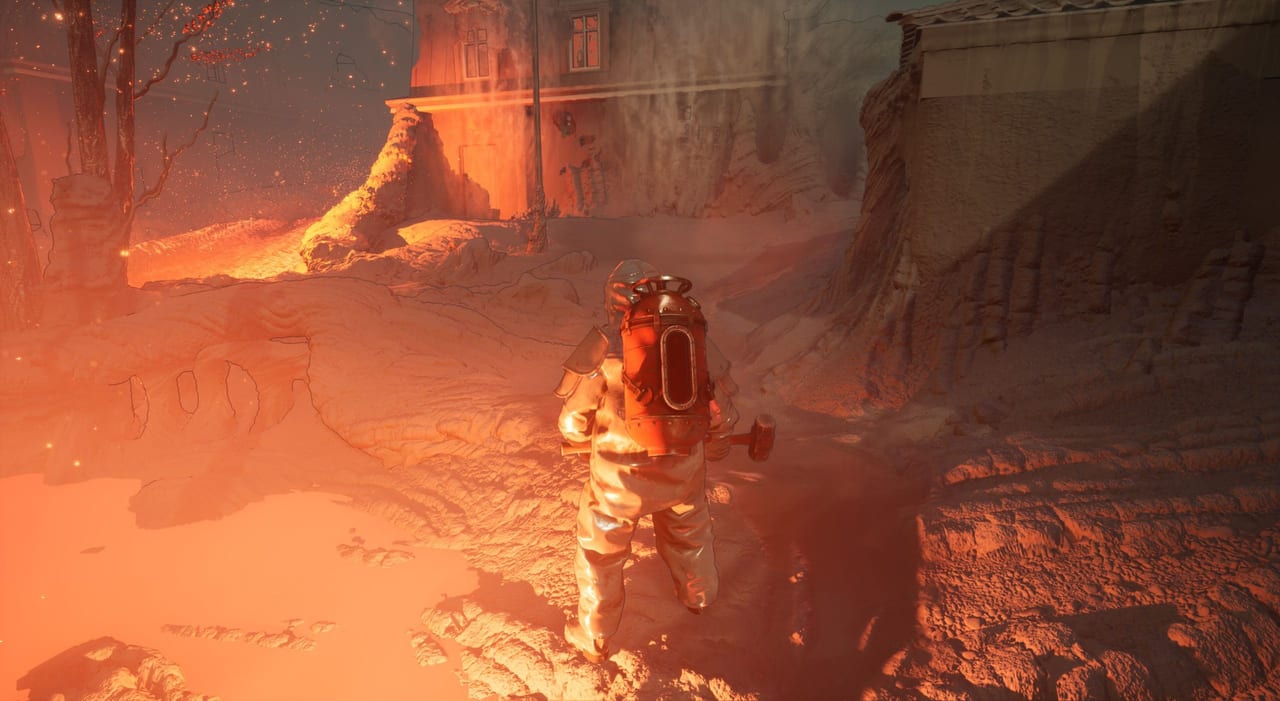
Between expeditions, Into the Fire stops being a disaster runner and becomes a settlement game. Starward calls it the Hub: a living camp that grows or withers with the people you extract. Official copy is not marketing fluff here. Playtests show a daily report with survivor count, morale, food, water, and a threat value that ticks whether you go out or not. If you only train street movement, the volcano still wins in the kitchen.
Read this after Getting Started and rescue. Pair it with survivor priority so you stop treating every scream as an upgrade crate.
The daily report is the campaign
Creators who sat in the May–June 2026 open tests describe a morning screen that tells you what changed overnight. Morale moves. Food and water move. Threat climbs. That last number is why camping forever is not a strategy. The island does not wait for your greenhouse to finish. Plan the day like this:
- Read the four resources. If water is the floor, the next run is a supply extract, not a relic hunt. See extraction.
- Accept only the quests you can staff. William (the camp guide in current builds) will pile tasks on you.
- Craft repair parts for the axe and extinguisher before you leave. The developer diary about broken axes is a warning, not a joke.
- Pet the dog or cat if morale is the leaking stat. Playtesters get a morale bump and sometimes spare loot. It is silly. It is also efficient.
- Leave. A perfect camp with a maxed threat skull is a camp that is about to be tested the hard way.
Rooms you will actually use
Playtest tours show more than a fast-travel menu:
- Campfire and quest board — jobs, named rescues, and the social glue of the save.
- Well — water is a daily burn. Digging or upgrading it is early-game survival, not flavour.
- Kitchen, stove, larder — food throughput. Extra mouths from a heroic RV run hit these rooms first.
- Common room — talk, rumours, and the myth layer Starward wants sitting next to the science layer.
- Greenhouse — slower food, useful when threat makes long expeditions ugly.
- Dog shelter and garden — morale infrastructure, plus the “take care of plants and animals” promise from the store page.
- Workshops — extinguisher parts, bombs, first aid, water tanks. Unlocks often arrive with specialists you personally dragged out of New Sindra.
Not every room will ship with the same name in Early Access. The pattern will: water, food, morale, craft, talk, leave.
Survivors as systems, not decorations
Interviews are explicit. Rescued people bring skills, knowledge, gear access, and better extraction tools. They also reunite families and restore “items that restore hope.” Translation for players: each save is both a buff and a liability. A medic is worthless if the larder is empty. A craftsperson is worthless if you never go back into the fire to feed their bench.
Talk to them. Playtests use survivors as extra quest givers. Some will want you to go deeper, which is how the island’s rituals leak into gameplay. Some will want you to stay. That tension is the writing. Your job is to know what the camp can afford, then use priority in the field so you do not import a crisis.
Crafting under pressure
Store features list fire-extinguishing bombs, first aid kits, water tanks, and weapons as craft targets. Open tests tallied thousands of crafted items and tens of thousands of structures. You should craft:
- Durability for the breach tool and extinguisher every morning.
- One mobility item if the next map is Ruins-like vertical space. See gadgets.
- Food that travels if the district is far from the RV.
- Nothing decorative while threat is climbing.
Perk names from later playtest notes — Breacher, Durable, Kicker, plus stamina perks — sit on top of this economy. They do not replace it. A Kicker who forgot water still comes home to a riot.
Morale and the dog
It is easy to mock the pet-the-dog loop until you watch a creator’s morale tank after a bad Crimson Pass. Morale is how the hub tells you the story is going poorly without a cutscene. Fix it with successful named rescues, animals, rest, and not starving people. Do not fix it by ignoring the volcano for a week. Threat is the other meter, and it is less cute.
How camp ties to the rest of the wiki
- Need bodies? Rescue.
- Need to survive the walk back? Hazards and loadouts.
- Need to know when EA adds more hub toys? Roadmap.
- Need a morning card? Expedition planner.
The hub is why Into the Fire can call itself extraction survival instead of a mission playlist. Treat it with the same seriousness you treat lava. The lava is louder. The larder is how saves actually end.
Frequently Asked Questions
Quick answers to the most common questions.
Is the hub just a menu?
No. Playtests treat it as a walkable camp with rooms, animals, and a daily resource report.
Can I ignore camp and only run missions?
Not for long. Threat, food, and water tick even if you never craft. The settlement is the campaign.
Do I need every survivor?
No. Specialists and named targets beat random extras if supplies are tight. See survivor priority.
Will camp systems change before Early Access?
Yes. Room names, meters, and pet bonuses are playtest-observed. The idea that saves reshape the hub is official.