How to Rescue Survivors in Into the Fire
Every life you carry changes the camp. Every life you drop changes the story.
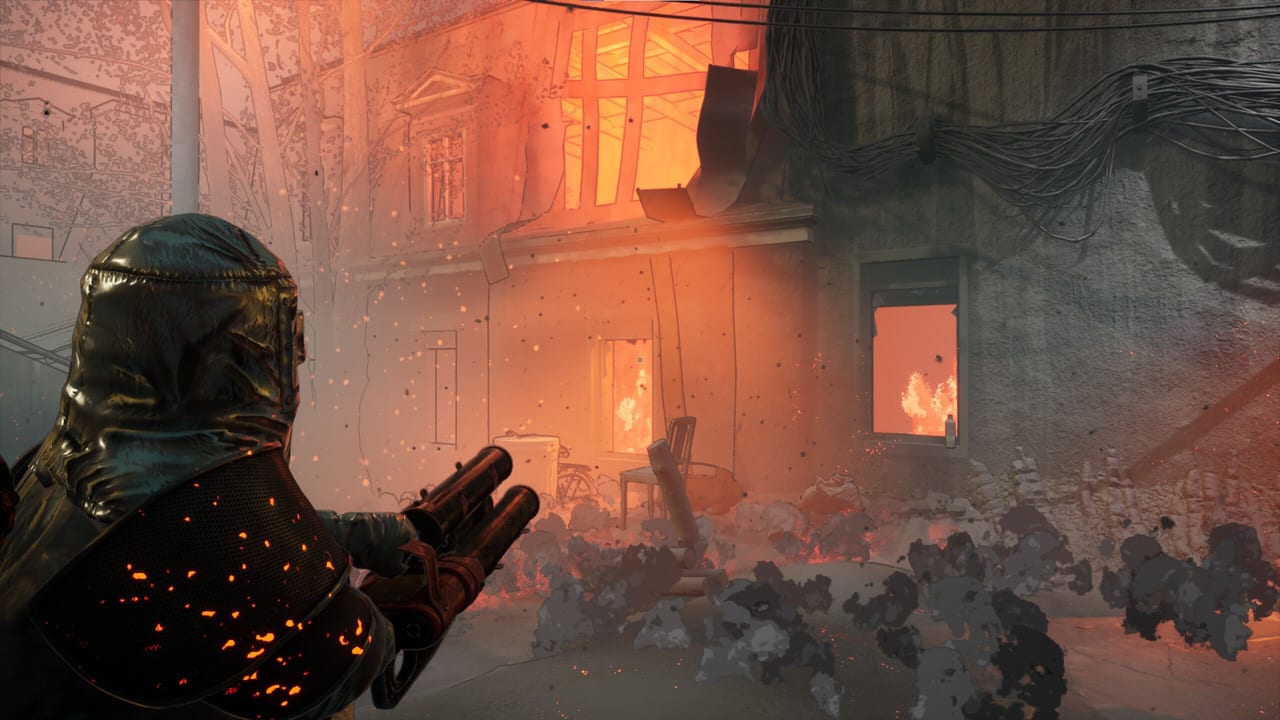
Rescue is the moral engine of Into the Fire and, more usefully, the upgrade engine. Starward has been consistent across interviews: you extract survivors, knowledge, and hope, not a Tarkov backpack of guns. People and animals you bring back expand the hub, unlock tools, and open story. People you fail become part of the tone of the camp. This guide is about the physical job — finding, carrying, and choosing — so the camp hub page can stay about what happens after they are safe.
If you have not run a single expedition, read Getting Started first. If you keep dying on the way out, read extraction in parallel.
Finding the living
Trailers and store copy list life-sign detectors, ash blowers, and the simple act of looking under collapse. Playtests add named jobs (Zoe in New Sindra is the example SurvivalBob hit in the first hour) and ambient civilians in burning interiors. Scan twice: once for the objective marker, once for the extra person the marker did not care about. The extra person is how camps get kitchens they did not plan for — and water bills they cannot pay.
Ash is not empty flavour. Official feature lists say someone may still be alive beneath it, and rare artifacts sit in the same grey layer. Blow ash when you have stamina and a route out. Do not blow ash during a bomb warning.
Animals were camp flavour for most of 2026 and became field cargo in Open Playtest no.2. Starward’s CMO named dogs and birds as valid saves. Build a shelter first, then extract. The dedicated animal rescue page is the SOP. If a dog slows a plank crossing, you have a priority decision, not a cute screenshot.
Carrying is the mechanic
Preview coverage is explicit: this is not Death Stranding. You do not foist a person onto a magic rack and forget them. You hold them, which means:
- Hands and stamina are busy. Expect slower climbs and uglier dodge rolls. See controls.
- Planks, ladders, and ziplines become load tests. A route you bunny-hopped on the way in can be impossible on the way out.
- Kick and dodge still matter for fire spirits, but they compete with the body in your arms.
- Carry-weight and endurance upgrades exist in playtests because the designers watched people drop civilians on stairs.
Pack for the carry, not for the screenshot. Water, a short extinguisher burst to clear a door, and a sled or rope if the district offers them will save more lives than a flashy bomb launcher. Rank those tools on the gadgets tier list.
Who to save when you cannot save everyone
Starward has said the discomfort is the point. You will leave someone. Do it on purpose.
- Named quest targets first. They gate story and unique benches.
- Specialists second. Interviews say survivors bring skills, gear access, and extraction upgrades. A medic or craftsperson is worth more than a second generic civilian if the RV is already smoking.
- Animals when morale is collapsing. Camp playtests treat pets as morale infrastructure.
- Extra civilians last, and only if food and water in camp can take them.
The survivor priority page turns that list into a field card. This page is the why: bringing twelve people into a camp with an empty larder is how settlements fail between expeditions, not during them.
Fire, spirits, and the person in your arms
You will be shot at by the environment. Fire blocks alleys. Jellyfish-like fire spirits show up in trailers as things you suppress rather than duel. Extinguishing weapons are for making a corridor, not for farming. If a spirit is between you and the RV, dump suppression, move, and do not turn the carry into a boss fight. The weapons guide explains the pistol / shotgun / bomb-launcher split.
Earthquakes and volcanic bombs now have better HUD and radio tells after community tests. When those tells hit, put the survivor down only if the animation is faster than eating the stun while holding them — and only if you can pick them up again. Playtest animations are still being criticised as snappy. Assume pick-up is a commitment.
After they are on the RV
They are not done. Camp needs beds, food, water, and something to do. Talk to them; playtests use survivors as quest givers. Craft with whatever bench they unlocked. If two people you saved hate the last call you made, that is working as designed. Read camp hub before you schedule another three-skull run that dumps four more mouths on the well.
Practice drills
- Extract one unnamed civilian with zero extra loot.
- Extract a named target and refuse the extra civilian in the next room.
- Extract an animal through a plank puzzle.
- Fail on purpose once: drop a non-critical save to hit the RV, then watch how the hub reacts.
- Only then chain two saves on a one-skull map.
Rescue is a route-planning skill, not a compassion meter. The wiki will keep this page updated as playtest notes change carry stamina and pickup timings. Until Early Access, assume every extra kilogram is a vote against the vehicle.
Frequently Asked Questions
Quick answers to the most common questions.
Can I shoulder-carry like in other rescue games?
Not in the footage and playtests we have. You physically carry people, which turns ledges into puzzles.
Do animals count as survivors?
Yes. Official interviews treat dogs and birds as lives that also change the hub.
What if I cannot reach someone in time?
Leave. The story is built to remember it. A wipe helps nobody, including the person you were aiming for.
Is there a limit on camp population?
Playtests gate you with food, water, morale, and space rather than a single hard cap. Check camp hub before you over-rescue.